
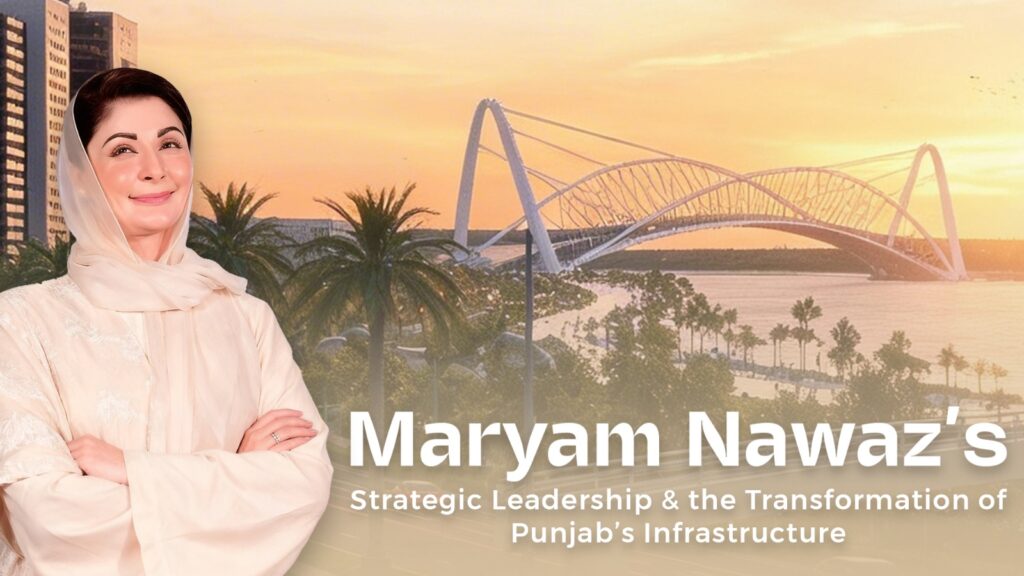
Punjab has entered a new era of development driven by bold policy decisions, structured planning, and visionary governance. At the center of this transformation stands Maryam Nawaz, whose strategic leadership has accelerated infrastructure growth, urban modernization, and investment-friendly reforms across the province. Her governance model emphasizes sustainability, smart urban expansion, and public–private partnerships — creating opportunities for landmark projects such as ARD City, RUDA Phase 1, and ARD Developers.
A Vision for Modern Punjab
Under the leadership of Maryam Nawaz, Punjab’s infrastructure agenda has focused on long-term impact rather than short-term optics. Major highways, improved municipal systems, digitized land records, and investor facilitation platforms are redefining how cities grow.
This environment of stability and clarity has allowed projects like ARD City to flourish. By aligning with provincial master planning frameworks, ARD City reflects a new standard of organized urban expansion. In parallel, RUDA Phase 1 is emerging as a structured riverfront development initiative, while ARD Developers are contributing to a new wave of regulated and modern housing solutions.
Strengthening Urban Development Through Policy
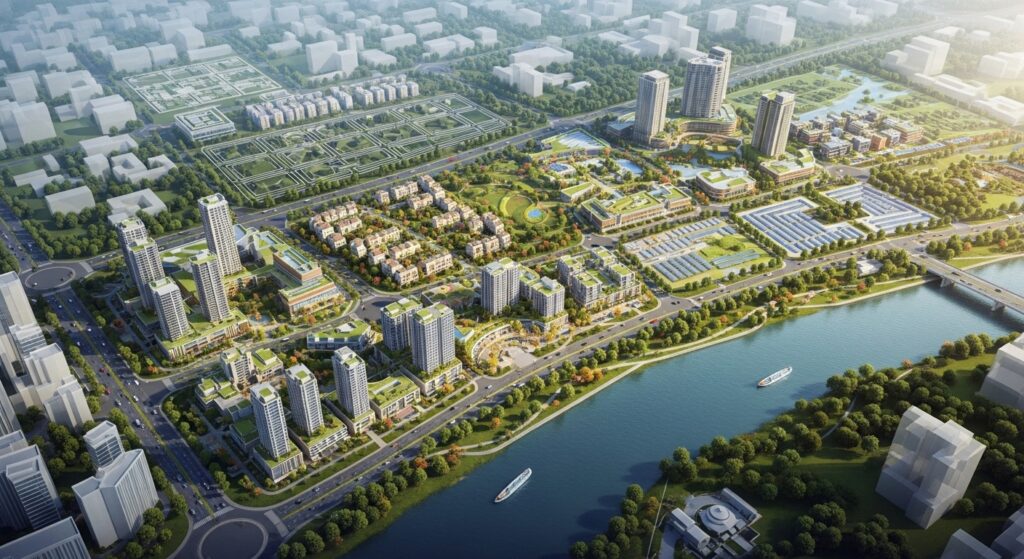
One of the most significant milestones in Punjab’s urban planning landscape is the formation and operational strengthening of Ravi Urban Development Authority (RUDA). Through RUDA Phase 1, the government aims to introduce environmentally responsible housing, commercial zones, and green corridors along the Ravi corridor.
Projects like ARD City are designed to integrate seamlessly within this broader vision. ARD Developers, by aligning with RUDA Phase 1 guidelines, ensure that developments meet environmental and structural standards. The synergy between public authorities and private investors like ARD Developers demonstrates how governance reforms can unlock real estate potential.
Infrastructure as an Economic Engine
Infrastructure is more than roads and bridges; it is the backbone of economic growth. Maryam Nawaz has consistently highlighted investment-led development. Large-scale urban planning initiatives such as RUDA Phase 1 are not only residential expansions but also employment generators.
In this context, ARD City represents a model housing initiative that complements provincial infrastructure upgrades. ARD Developers have capitalized on improved regulatory clarity to deliver projects that align with Punjab’s growth trajectory. With RUDA Phase 1 creating structured expansion corridors, ARD City stands as a testament to private-sector confidence in government-led transformation.
Smart Cities and Sustainable Growth
A major pillar of Punjab’s transformation is sustainability. Under Maryam Nawaz, policies increasingly emphasize green building codes, digitization, and efficient transport connectivity.
RUDA Phase 1 incorporates ecological safeguards, wastewater treatment systems, and smart zoning regulations. Developments like ARD City are designed to benefit from this eco-conscious master planning. ARD Developers are focusing on community-centric designs, energy-efficient utilities, and integrated commercial hubs — all aligned with the broader RUDA Phase 1 strategy.
Public–Private Partnership Model
Punjab’s development strategy highlights collaboration. The provincial government creates the regulatory framework, while trusted private partners execute high-quality projects. RUDA Phase 1 exemplifies this partnership model, enabling projects such as ARD City to operate within a transparent regulatory ecosystem.
ARD Developers, by working alongside authorities connected with RUDA Phase 1, help translate policy into tangible infrastructure. This coordination ensures that ARD City reflects planned growth rather than unregulated sprawl.
Investment Confidence and Real Estate Growth
Investor confidence rises when governance is consistent and strategic. The leadership of Maryam Nawaz has strengthened monitoring mechanisms, digitized approvals, and streamlined land processes.
This has directly benefited initiatives like ARD City, which attract both domestic and overseas investors. RUDA Phase 1 continues to enhance the region’s real estate profile, while ARD Developers leverage these reforms to introduce secure and forward-looking property solutions.
Social Impact and Community Development
Infrastructure transformation is not solely about buildings — it is about improving lives. Projects linked to RUDA Phase 1 incorporate educational zones, healthcare facilities, and public spaces. ARD City similarly aims to offer modern amenities that uplift living standards.
ARD Developers emphasize community-building, aligning their projects with the development philosophy promoted by Maryam Nawaz. Through RUDA Phase 1, sustainable neighborhoods are becoming a defining feature of Punjab’s urban identity.
The Road Ahead
Punjab’s infrastructure transformation is still unfolding, but its direction is clear. Under Maryam Nawaz, strategic governance continues to promote planned urbanization, regulatory clarity, and environmental responsibility.
As RUDA Phase 1 progresses, projects like ARD City are positioned to benefit from improved connectivity and structured growth. ARD Developers remain key contributors to this evolving landscape, translating policy momentum into tangible residential and commercial spaces.
Conclusion
The transformation of Punjab’s infrastructure reflects a deliberate and strategic leadership approach. By empowering institutions like the Ravi Urban Development Authority and supporting initiatives such as RUDA Phase 1, Maryam Nawaz has laid the groundwork for sustainable urban expansion.
In this rapidly modernizing environment, ARD City stands as a symbol of investor confidence, RUDA Phase 1 represents structured regional development, and ARD Developers embody the private-sector momentum driving Punjab forward. Together, these elements illustrate how visionary governance and responsible development partnerships are reshaping the province’s future.